


The Nature of Luck in Gambling
Luck is an intrinsic element of the gambling experience, serving as both a catalyst for excitement and a source of uncertainty. In many ways, it defines the core of what draws people to casinos. Whether one is playing a game of chance like slots or engaging in strategy-rich games like poker, luck significantly influences outcomes. For instance, landing on a winning combination in a slot machine requires a stroke of luck, as players have no control over the outcome of the spin. Players looking for a thrilling experience might explore a non gamstop casino where unpredictability is what keeps them on the edge of their seats, fueling the thrill that gambling is known for.
Moreover, luck plays a psychological role in how players perceive their experiences. When wins occur, they reinforce the belief that luck is a tangible force aiding their endeavors. Conversely, streaks of losses can lead to feelings of frustration and disillusionment. Gamblers often share stories of their “lucky” days, recounting unforgettable moments that seem almost magical. These narratives become part of the casino culture, and the rituals or superstitions that players adopt to enhance their odds indicate how deeply intertwined luck is with personal beliefs and behaviors in the gambling world.
Understanding the dynamics of luck can also inform a player’s approach to gaming. Those who recognize the randomness of outcomes can adopt a more rational approach, balancing their expectations with the reality of chance. This understanding can lead to a healthier mindset, where the focus shifts from solely winning money to enjoying the experience itself. Whether through techniques that incorporate a strategic mindset or simply savoring the thrill of unpredictable outcomes, players’ experiences are undeniably shaped by the whims of fortune, making the casino visit a unique blend of chance and choice.
The Role of Randomness in Casino Games
Randomness is the backbone of casino games, ensuring that every spin of a wheel or roll of dice is unpredictable. This randomness is often governed by complex algorithms or mechanical systems designed to create fair play environments. For example, in table games such as roulette, the ball’s trajectory and final resting place are influenced by various factors, contributing to the notion of randomness. Players must accept that regardless of their skills or strategies, the element of chance is always present, making every game a new adventure filled with potential outcomes.
In games like blackjack, while skill can influence outcomes, the initial dealing of cards is purely random and can swing the advantage back and forth between players and the house. This unpredictable nature leads to a compelling experience, as players can find themselves on hot streaks or sudden downturns. Learning to embrace the randomness can enhance enjoyment, encouraging players to keep the gameplay light-hearted rather than overly competitive. This acceptance of unpredictability allows players to focus on the enjoyment of the game itself, rather than fixating on winning or losing.
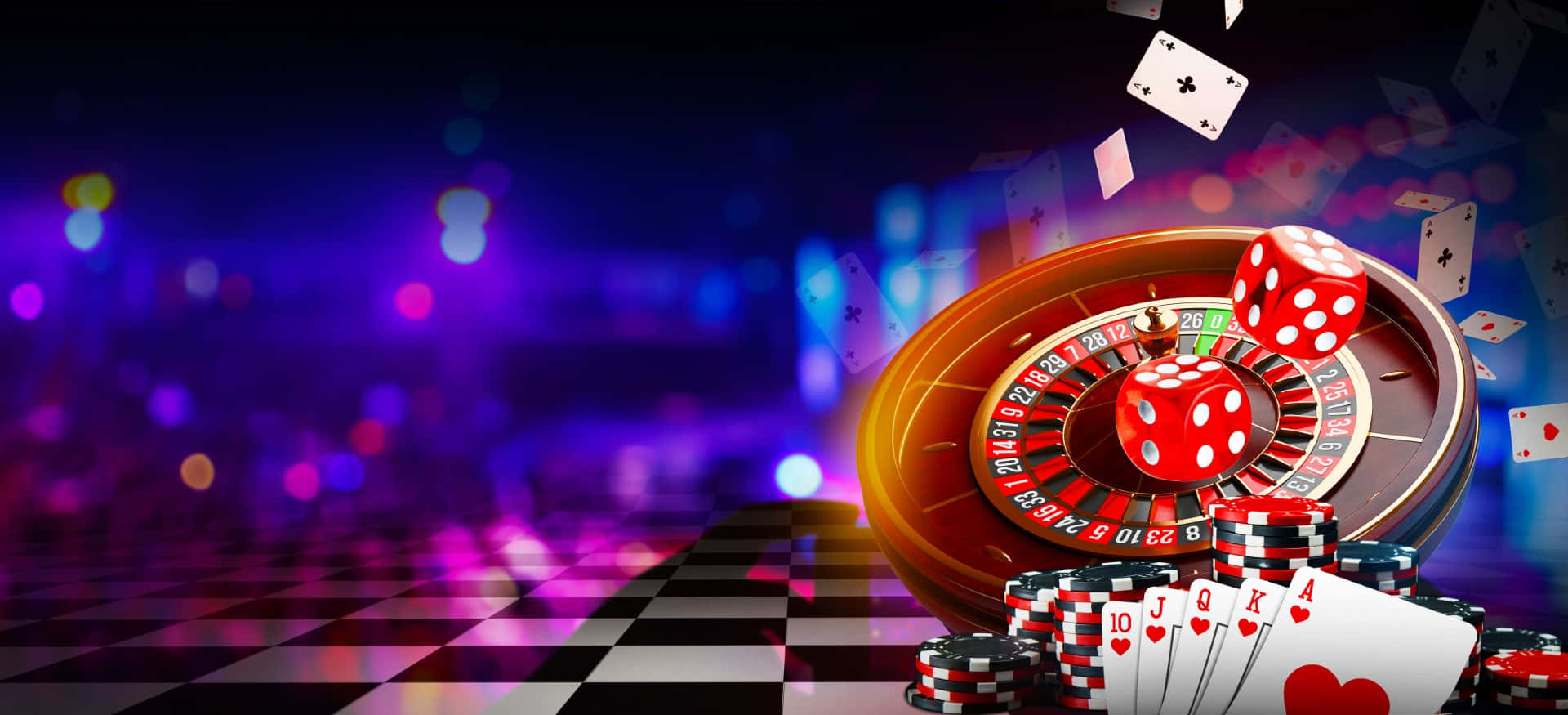
Casinos are meticulous in ensuring the integrity of their games, using random number generators (RNGs) for electronic games to maintain fairness and excitement. This technology reflects the industry’s dedication to providing an unpredictable yet controlled environment. Players engaging with these games, from slots to digital table games, benefit from an experience where luck and randomness intersect, often leading to unexpected and thrilling outcomes. Understanding that every spin is a new opportunity can enhance the player’s experience, making the journey of gambling more enjoyable than the mere pursuit of winning.
The Influence of Superstition and Beliefs
Superstitions are prevalent in the casino environment, showcasing how luck intersects with cultural beliefs and practices. Many gamblers have rituals they believe will bring them good fortune, such as wearing lucky clothing, carrying certain objects, or following specific routines before placing bets. These behaviors highlight the psychological impact of luck, where personal beliefs can enhance the gaming experience. For instance, some may feel more confident placing bets after performing their rituals, reinforcing the notion that luck is not only a random occurrence but also a psychological phenomenon that can influence outcomes in a subtle way.
The relationship between superstition and gambling is also evident in the games themselves. For instance, certain numbers are considered lucky or unlucky across different cultures, which can influence game choices and betting strategies. A player might avoid the number thirteen due to its negative associations, while others might embrace it as a symbol of fortune. This cultural context further deepens the gameplay experience, as luck becomes personalized through individual beliefs. The rituals and superstitions add layers of meaning to the games, transforming them from mere chance-based activities into deeply personal experiences.
As players engage in casino activities, their unique perspectives on luck shape their approaches to betting. Those who embrace superstitions might find their experiences richer and more engaging, even if such beliefs have no empirical basis. The emotional boost derived from these practices can lead to more enjoyable gaming sessions, where the thrill of chance transcends mere statistics, making the experience more memorable for participants. The joy derived from personal rituals can create a sense of community among players, as they share their beliefs and experiences, further intertwining luck with their gambling adventures.
The Social Aspect of Luck in Casinos
In addition to individual experiences, luck also manifests in social dynamics within the casino environment. Group play, such as at a poker table or during a communal game like roulette, adds an element of collective excitement and shared hopes. Players often react to each other’s wins and losses, creating a vibrant atmosphere that reshapes their understanding of luck. Celebrating a fellow player’s victory amplifies the thrill, as the group shares in the momentum of luck, even if individual outcomes vary. This social aspect enhances the experience, turning gambling into a communal celebration of fortune.
Casinos often capitalize on this social aspect by fostering environments conducive to camaraderie and interaction. Many establishments create communal spaces where players can engage with one another, sharing tales of lucky hands or monumental wins. This sense of community underscores the notion that luck is not merely an isolated experience but can be amplified through shared moments, leading to stronger connections among participants. The laughter, cheers, and collective anticipation build a unique atmosphere that transforms individual games into shared adventures filled with excitement and unpredictability.
Furthermore, the role of luck in social gambling extends to the phenomenon of “hot” and “cold” tables. Players frequently gravitate toward tables perceived as lucky, believing that the energy or aura surrounding the table influences their chances of winning. This shared understanding of luck fosters a sense of belonging and excitement, as players engage in the highs and lows experienced together. The camaraderie formed in this environment can add a layer of enjoyment to the gambling experience, making it about more than just the money—it’s about the shared journey of seeking fortune together.
Understanding Your Casino Experience
Your overall casino experience is intricately tied to your perception of luck and its role in the games you play. By understanding the multifaceted nature of luck—from randomness and personal beliefs to social interactions—you can cultivate a more fulfilling approach to gambling. Embracing the unpredictability can allow for a more enjoyable experience, knowing that each moment is fraught with possibilities waiting to unfold. This mindset encourages players to focus on the joy of the game rather than solely on winning, enhancing overall satisfaction.
Moreover, recognizing that luck is only one aspect of the casino experience can help manage your expectations. While luck can lead to sudden wins, it can also result in losses. Balancing these elements ensures that you appreciate the journey of gaming rather than solely focusing on the outcomes. This perspective fosters a healthy relationship with gambling, where enjoyment takes precedence over financial gain. By acknowledging the role of luck, players can find a deeper connection to the games and the experiences they share with others.
Ultimately, whether you’re a casual player or a serious gambler, understanding how luck influences your casino experience can enhance your enjoyment. Embracing the unpredictable nature of games, interacting with fellow players, and recognizing the psychological aspects of superstition can lead to a richer, more immersive gambling experience that transcends the mere pursuit of winning. This holistic view of luck as a part of the casino experience can transform how you approach gaming, making each visit an opportunity for enjoyment and connection.
